Capability
Commerce and product data
We design, build and run the system a company uses to sell its products: B2C and B2B channels, product data, configurators and the links to the ERP. Orders reach the ERP without anyone re-keying them.
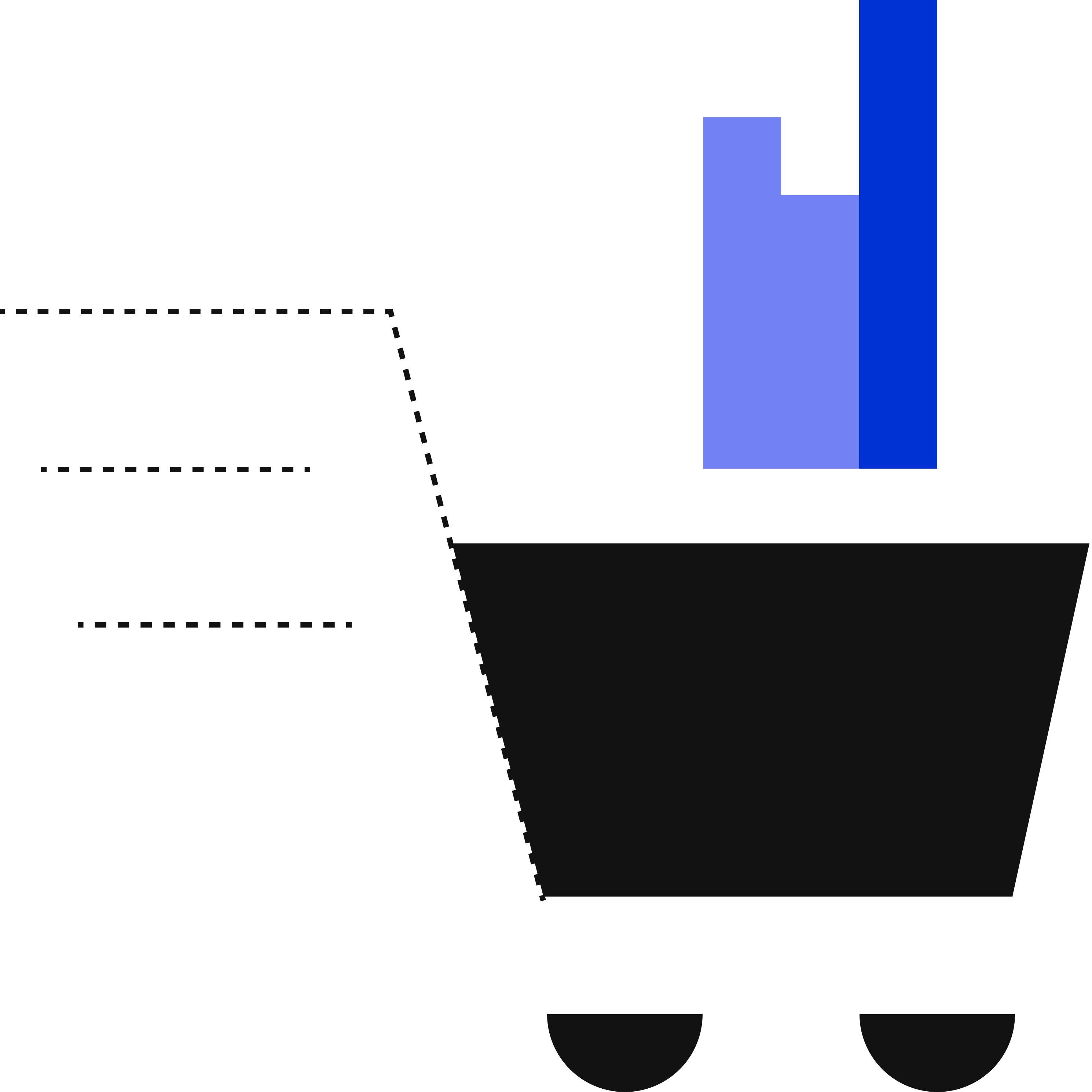
One system, every channel
A sales channel is the visible part of a system. Behind it sit the commerce platform, the ERP and the warehouse. Product data and images live in a PIM and DAM, and products with many variants need a configurator (CPQ). We design these parts to work together. The same data reaches every channel, and every order flows back into the ERP. A new channel is added by connecting it, without rebuilding the catalogue.
Every channel reads the same catalogue
One catalogue, with one set of prices and stock, feeds different channels. Each channel receives the fields it needs.
Online store
Selling to consumers and resellers on the platform that suits the sales model, with prices and stock read from the same source as every other channel.
Physical stores
Stores and the website share one view of availability, so a product sold over the counter in one store does not stay on sale online.
Go deeper
Marketplaces
The catalogue goes out to marketplaces such as Amazon and eBay, with the fields, categories and rules each one requires, from the same product records.
Catalogues and distributors
PDF catalogues, price lists and the structured data that distributors ask for all come from the same records, so a correction made once reaches every copy.
Trade rules built into the portal
Every reseller buys on its own terms, and a portal that ignores them sends orders back to the phone. A business that registers is approved before it sees any price. Each reseller sees its own price list and volume discounts, set in the ERP. An order above the reseller's remaining credit goes through only with payment up front. Sales agents order on behalf of their resellers, on their terms, and each order stays attributed to the agent.
Most B2B trade still outside digital channels
78%
In Italy, digital B2B commerce is worth €278 billion, about 22% of trade between businesses. The remaining 78% does not yet go through a digital channel. Source: Politecnico di Milano, Digital B2B Observatory, 2024 data.
One model for every market
Product information starts in different departments: price and stock in the ERP, descriptions in marketing, datasheets and certifications in engineering, translations by outside agencies. Each channel keeps a copy, and the copies drift apart. The data model is designed before the channels: families, attributes, variants, markets, languages. Then we configure the system that holds it, or connect the one the company already has. A new brand, market or channel then fits without reorganising anything.
Rules that keep it in order
A shared product database stays in order when three rules are agreed before the catalogue is loaded.
Who writes and who approves
Who enters, translates and approves each record is agreed up front and set up in the system. A record reaches the channels only after it has passed every step.
Supplier data
When catalogues come from suppliers, the import rules are agreed first. Taxonomies and attributes are then brought into a single format before anything is published.
What goes where
Each channel receives only the fields it needs, in its own language and for its market, so a distributor's feed carries no copy written for the website.
Systems that talk to each other
Channels connect to the company's existing systems, where each piece of data is still created.
One system of record
Before anything is connected, we agree with the in-house IT team which system owns customer records, prices, stock and orders, so no figure is ever in doubt.
Exchanges that can be seen
A layer between the systems logs every exchange and retries the failed ones on its own. An order that never reached the ERP can be found and recovered.
The formats already in use
Channels connect to the ERP, invoicing, the warehouse and the carrier, and orders and documents are exchanged with large customers in the EDI format they already use.
Go deeper
A portal resellers actually use
A portal stays empty if resellers keep ordering by phone and email. Before design starts, we talk to the resellers who will use it. The portal then follows the way they already order: the navigation they rely on, quick reordering, the quantities they handle. At launch, existing accounts move across without anyone registering again, so orders move from phone and email to the portal.
A choice made on real costs
Every version of a commerce platform has an end-of-support date, after which it gets no more fixes. At each deadline we compare upgrading with moving platform, and recommend the path that pays off.
Upgrading
Work starts from what the platform already offers and what has been added over the years. Native features come first, then an extension, and only then custom code.
Moving to a new platform
We list every customisation, the business marks the ones it still needs, and we estimate the cost of rebuilding each one on the candidate platform.
What the estimate includes
Licences and app subscriptions, and the migration of data, page addresses and integrations: all part of the cost from the first estimate, not discovered later.
End of support for Adobe Commerce versions
End of standard support for Adobe Commerce 2.4.7
31 May 2027
Version 2.4.6 left support in August 2026. From June 2027 Adobe no longer maintains cloud environments that run unsupported versions. Source: Adobe Commerce lifecycle policy.
A first step with a clear output
The first step is an initial analysis with its own scope and price. It covers how buyers move through the store or portal, what the platform already offers, the catalogue attributes and the links to company systems. It also sets the measures the project will be judged on, such as the share of orders placed through the portal. The output stays with the company.
What the company keeps
The platform, the data and the extension licences belong to the company, and so does the code. The contract states who does what, other suppliers included. After launch the platform stays looked after, with updates in agreed windows and testing before each release.
Go deeper
Evidence and further reading
 Case studyContinental brings its B2B supply chain into a single cartA multi-supplier B2B architecture: how BestDrive leads its own evolution.
 Case studyPerdormire: the sale doesn't stop between website and storeFrom online configuration to closing the sale in store, without interruption.
 Case studyFORST: brand storytelling and e-commerce in one seamless experienceDecoupled architecture and multi-store e-commerce integrated with the ERP.
 Case studyOne brand, 50 markets: Mapei's architecture for global scaleA modular, multi-tenant platform: how we have supported Mapei's evolution since 2018.
Contact us to validate the technical feasibility,
business impact and build your business case together.
FAQ
It depends on how many brands, markets and channels there are. With few products, one or two languages and a single channel, the catalogue fits well inside the commerce platform. A dedicated system (PIM) pays off when there are several brands or markets, or when records carry attachments and certifications that change by country. It also helps when the same data goes to catalogues, distributors and marketplaces.
No. Channels connect to the ERP the company already uses, which remains the system of record for customer records, prices, stock and orders. The layer between the systems logs every exchange, so a failed order is found and recovered rather than lost.
Yes. Work starts from the platform and integrations in place. The platform is upgraded or extended, and a move to a new platform is proposed only when the list of customisations and the cost of rebuilding them justify it.
No. The new platform is prepared alongside the one in use, with data, page addresses and integrations migrated and tested beforehand. The switch happens in an agreed window, and the current store keeps taking orders until that moment.
Online stores and portals are built to WCAG 2.1 level AA, because since 28 June 2025 the European Accessibility Act has also applied to e-commerce. All work is carried out under an information security management system certified to ISO/IEC 27001.