Capability
Multi-brand, multi-country web platforms
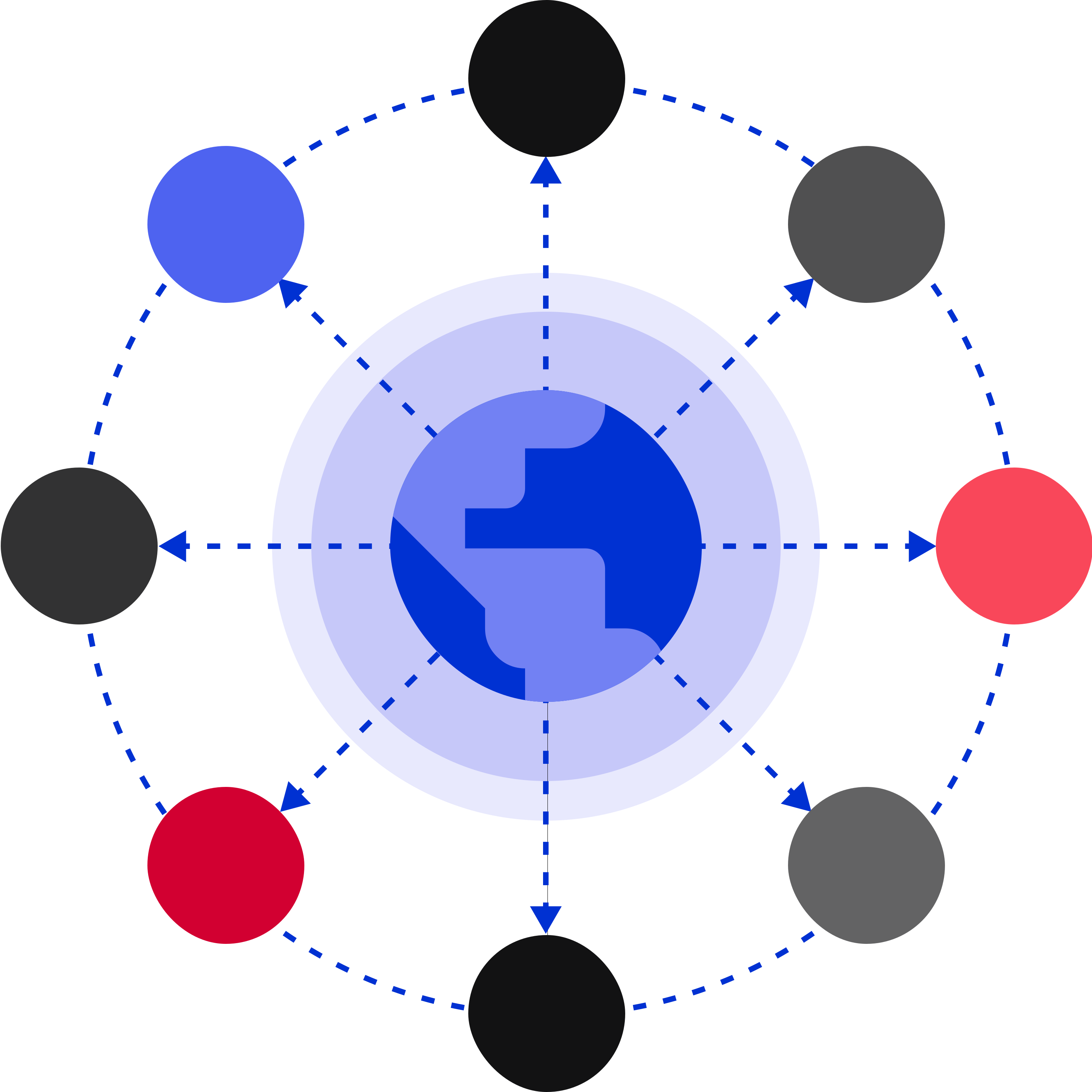
Every country, brand and company site of a group starts from one master site and gets the same releases. Each country and brand adds the features it needs without leaving the shared platform.
New sites sooner, one update for all
Websites a group launches one at a time end up on different CMSs, and every update is repeated on each site. A subsidiary or brand that cannot get the features it needs then builds its own. On a shared platform, every new site starts from the master site and goes live sooner, and updates are made once for all. Head office sets the common rules.
Sites on one platform
60+
Country, brand and company websites of a single group, all updated with the same release. Source: Mediaengine, site inventory of the platform.
Built once, used by every site
Pages, components and integrations are built once, and every new site and update starts from there.

New sites sooner
Every new country, brand or company site starts as a copy of the master site, so it goes live within weeks instead of months. The procedure that opened the first sites still opens new ones today.
One update for every site
Fixes, new features and security updates are made once for all sites. One maintenance team and one help desk serve the group, instead of one per site.

Products, apps and social
Product data flows from the PIM to every site, in every language. Customer apps connect to the platform for content, data and sign-in. AI agents that adapt and distribute social content per country are in development.
Teams on two or more CMSs
61%
Share of teams still juggling two or more CMSs to manage their brands. Source: Storyblok, State of CMS 2025, survey of 1,300 CMS users (Storyblok sells a CMS).
Brands that stay recognisable
Each brand keeps its own look on the shared components. When a theme is not enough, a brand can also have its own components and sections, with their own look and features. An acquired brand or company joins through the same procedure as a country site, with new releases from day one. Each brand's editors work only on their own sites.
A model countries and brands adopt
A model decided by head office alone may not fit countries and brands, so they work around it. Before anything is built, we run workshops and interviews with every country and brand team and classify each request. Requests shared by several teams become part of the master site. Head office then owns the master site, shared components and technical content; each country, brand or company owns the content, campaigns and features of its own site.
Go deeper
- Discovery and architecture assessment
Built in one country, ready for all
Each country or brand gets the features it needs inside the platform, such as a calculator in local units. Head office sets each feature's place in the release plan, and it passes the same tests as the shared modules. When a feature is useful elsewhere, other countries and brands switch it on from the CMS instead of building it again.
The right path for each type of content
For each type of content, head office decides who writes it, who translates it and who approves it.
Approved by head office
Best for technical content, where a mistake would mislead buyers. The English master text is translated by the countries or by us, and head office approves it before it appears on any site of the group.
Global
Best for reference projects and content that matter to every market and brand. Whoever holds the permission publishes it once, and it appears on every site in the linked languages, with no country loading it again.
Local
Best for content that serves a single country or brand. The team that runs the site publishes it without going through head office, which can later make it global and bring it to every site.
Releases in ten months
26
Releases shipped to every site at once from January to November 2026, fixes included: two or three a month. Source: Mediaengine, release pages of the platform.
New releases for every site, tested first
A mistake on a shared platform would repeat everywhere. Every release, even a feature for one country or brand, is tested and accepted on sites in two languages before it goes live on every site. Incidents are ranked by how many sites and countries they hit, so the widest faults are fixed first. One help desk serves every editorial team; after training, each team publishes on its own.
Go deeper
- Operations and evolution
Solved once, valid for every site
Every country has its own rules and visitors. Each requirement is solved once for every site.

Found in every country
Each page tells search engines its language and country. Visitors who land on another country's site are offered the matching page of their own, and redirects carry visitors from replaced sites to the new pages.

Fast far from head office
Pages reach visitors in distant countries through a content delivery network (CDN), and before go-live a load test simulates many visitors on several sites at once.

Accessibility
Every site can be checked against WCAG 2.1 AA, the level EN 301 549 and the European Accessibility Act refer to. Fixes made in the shared components reach every site.

Privacy and security
Forms in every country collect data and consent into a single CRM, and CMS security updates are scheduled with head office. Our information security is certified to ISO/IEC 27001.
Go deeper
An audit the group keeps
Every engagement starts from the group's existing sites.
1. Site audit
The audit reviews platforms, domains, integrations, licences, cost per site and who decides today. It delivers a site map, proposed rules and a plan the group keeps.
2. Requests and model
Country and brand teams state their requests and head office ranks them, then sets the shared model, the rules and the split of decisions.
3. Platform and sites
The master site is built, then the sites open one by one with the same procedure. Editors in each country and brand are trained before they publish on their own.
4. Operations
Regular releases, help desk and maintenance cover every site. Procedures, rules and manuals stay with the group, which can hand over all the work or only part.
Go deeper
- Discovery and architecture assessment
- Ownership and continuity
Evidence and further reading
 Case studyOne brand, 50 markets: Mapei's architecture for global scaleA modular, multi-tenant platform: how we have supported Mapei's evolution since 2018
 Case studyFORST: brand storytelling and e-commerce in one seamless experienceDecoupled architecture and multi-store ecommerce integrated with the ERP
 Case studyHow UniCredit, Armani and Daikin govern corporate eventsOperations in the field, control at HQ. A ready-to-use platform to align any event with spending, brand and compliance rules
 Case studyPreviewing the visual experience before the lenses are madeA multichannel simulator in 40,000 stores for the global eyewear leader
Contact us to validate the technical feasibility,
business impact and build your business case together.
FAQ
The choice is made in the audit. On the shared installation, brands and companies share components and releases; one with very different needs, or that must stay separate, gets an installation of its own. A fault in one brand's feature stays on that brand's sites, while a fault in the shared components reaches every site that uses them. That is why every release passes acceptance testing first, and every outage gets a root-cause analysis and a fix.
The audit compares the cost per site over three years between the current situation and a shared platform, licences included. It also shows which sites are worth moving onto the shared base and which are better kept separate. The group decides on its own figures, not on general estimates.
Groups with many sites and complex workflows get a commercial CMS, partly headless where apps and other channels need it. Simpler needs are served by an open-source CMS with no licence fee. The audit shows which one fits the group and which licences it needs.
Each new site is prepared and tested in a separate environment. It then goes live with redirects from the old pages to the new ones, so visitors and search engines find the content in its new place. Editors are trained before they start publishing on the new site.
The procedure for opening new sites, the rules between head office, countries and brands, and the manuals and knowledge base for the editorial teams. With these, each country, brand or company can publish on its own, and the group can open new sites without starting over.